🌟 Why Chronic Disease Self-Management Matters
✔ Improves Quality of Life
Patients maintain independence and function longer.
✔ Prevents Complications
Reduces risk of hospitalization, disability, and premature death.
✔ Empowers Patients
Encourages confidence in managing health conditions.
✔ Reduces Healthcare Costs
Better disease control reduces emergency care and hospital stays.
📚 Chronic Disease Management Educational Guide
🩸 Diabetes (Type 1 & Type 2)
Diabetes is a chronic condition where the body either does not produce enough insulin or cannot effectively use insulin, causing high blood sugar levels.


Risk Factors
- Family history of diabetes
- Obesity or overweight
- Physical inactivity
- Poor diet (high sugar and processed foods)
- Age (risk increases with age)
- History of gestational diabetes
Importance of Patient Education
- Helps patients understand blood sugar monitoring
- Promotes recognition of symptoms like hypoglycemia and hyperglycemia
- Encourages lifestyle changes that prevent complications
Medication Adherence
- Prevents complications such as kidney failure, blindness, and nerve damage
- Maintains stable blood sugar levels
- Reduces hospitalizations
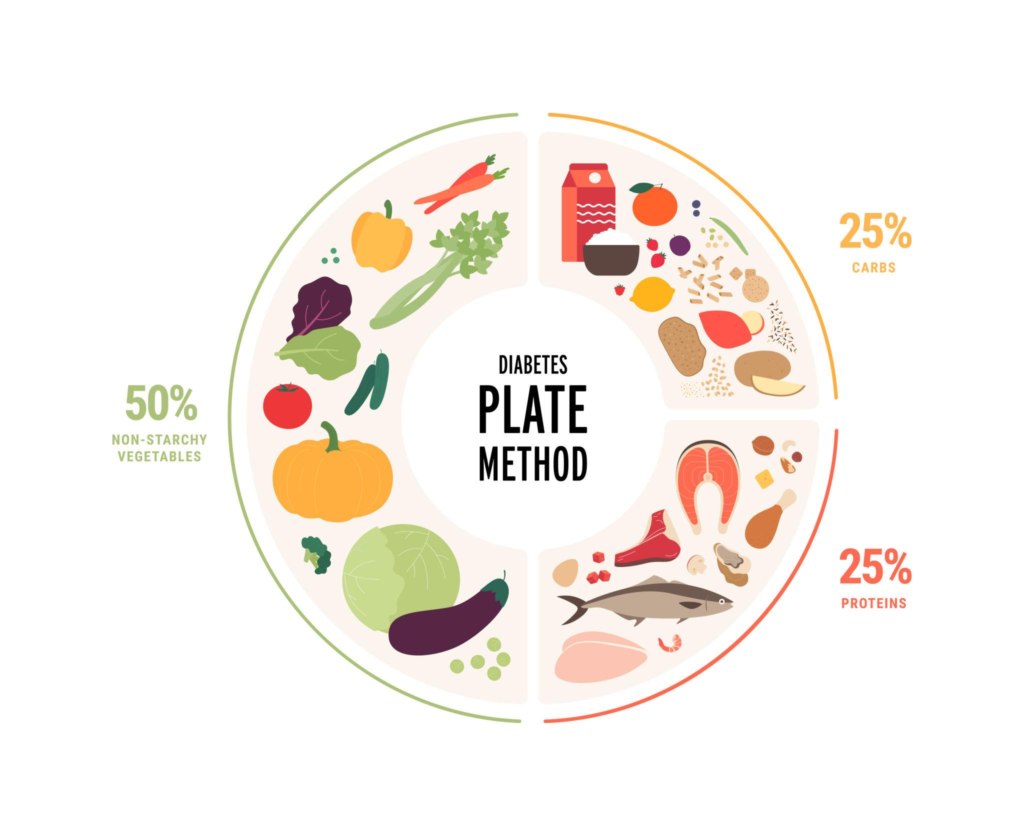
Nutritional Management
- Balanced meals with controlled carbohydrates
- Increased fiber intake
- Reduced sugar and processed foods
- Portion control
- Regular meal timing
❤️ Hypertension (High Blood Pressure)
Hypertension occurs when blood pressure remains consistently elevated, increasing strain on the heart and blood vessels.
Risk Factors
- High sodium intake
- Smoking
- Stress
- Obesity
- Sedentary lifestyle
- Family history
Importance of Patient Education
- Encourages routine blood pressure monitoring
- Improves understanding of silent symptoms
- Promotes heart-healthy lifestyle behaviors
Medication Adherence
- Prevents stroke, heart attack, and kidney disease
- Maintains stable blood pressure
- Improves long-term survival
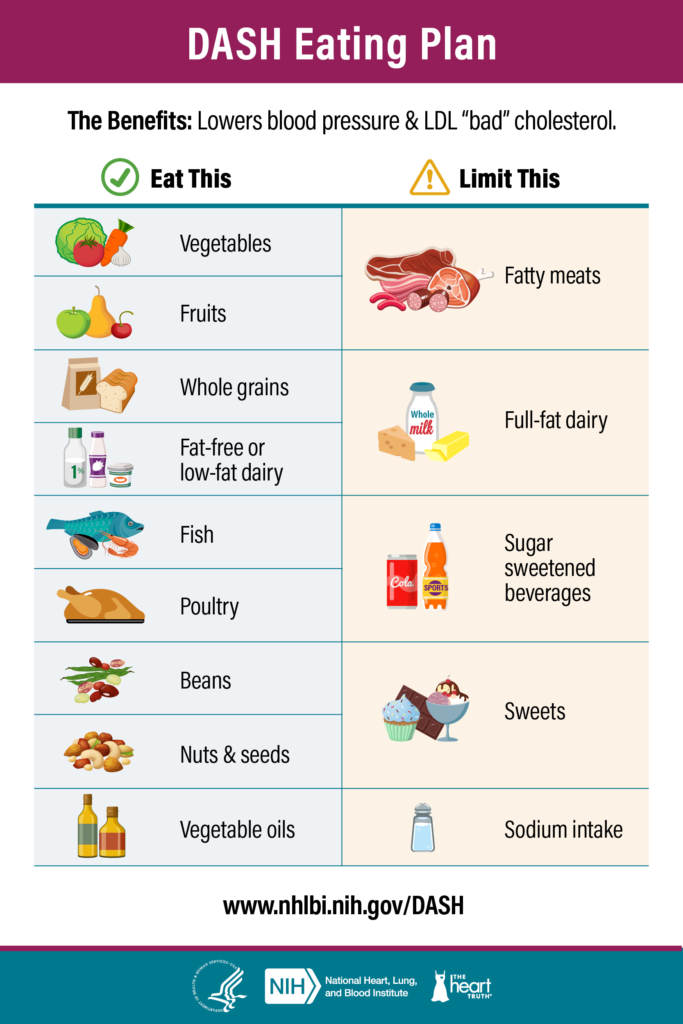
Nutritional Management
- Low sodium diet
- Increased fruits and vegetables
- Lean proteins and whole grains
- Reduced alcohol intake
❤️ Coronary Artery Disease / Heart Disease
Heart disease occurs when blood vessels supplying the heart become narrowed or blocked, reducing blood flow.
Risk Factors
- High cholesterol
- Smoking
- Diabetes
- Hypertension
- Obesity
- Lack of physical activity
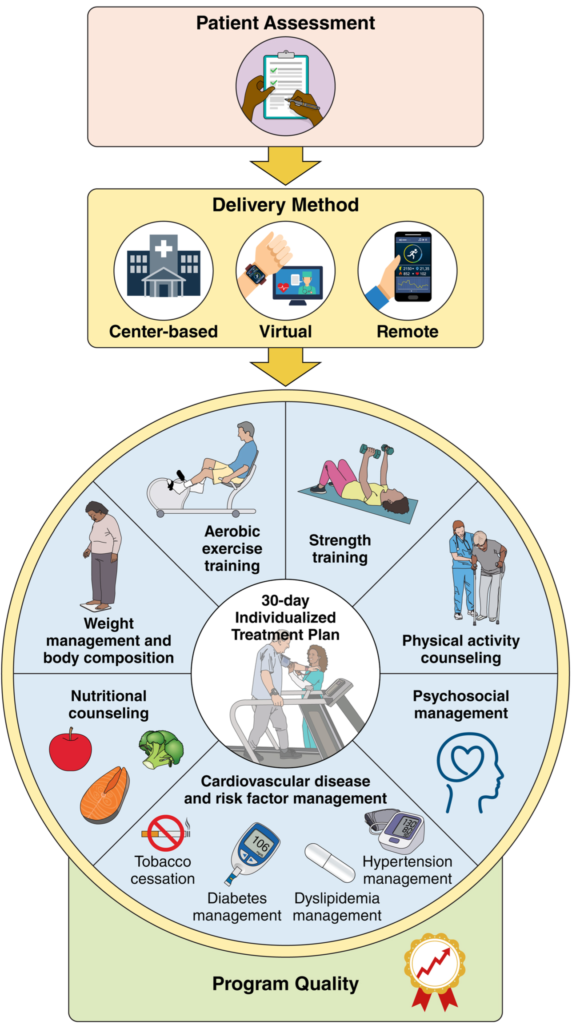
Importance of Patient Education
- Helps recognize warning signs like chest pain and shortness of breath
- Encourages lifestyle modifications
- Supports cardiac rehabilitation participation
Medication Adherence
- Prevents heart attacks and complications
- Improves heart function
- Reduces hospital readmissions
Nutritional Management
- Low saturated fat diet
- Increased omega-3 fatty acids
- High fiber foods
- Reduced processed foods
🫁 Chronic Obstructive Pulmonary Disease (COPD)
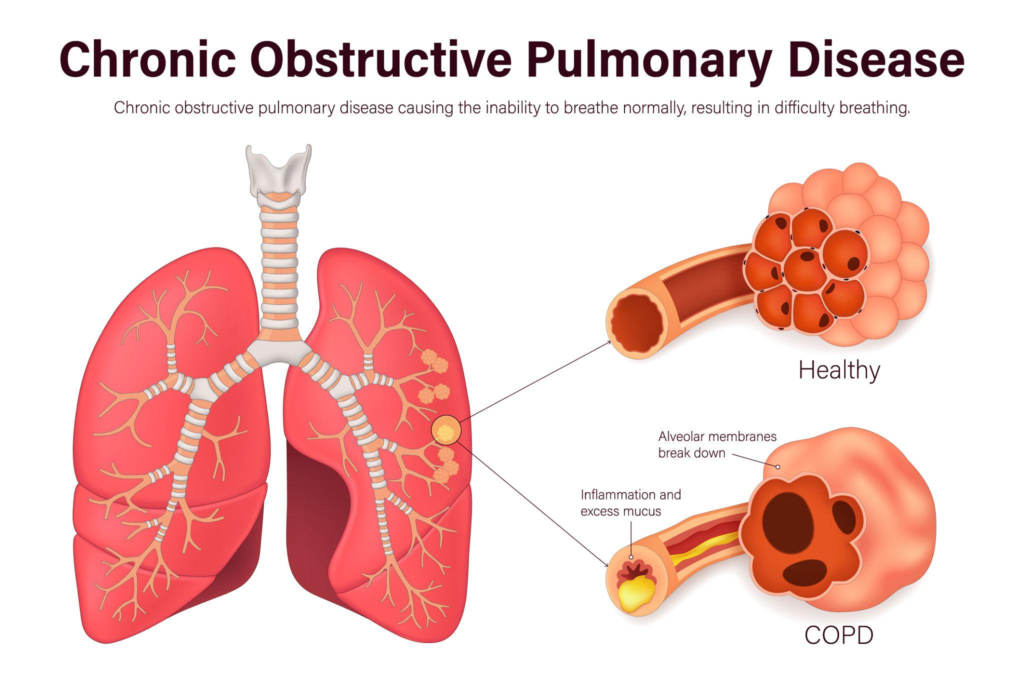
COPD is a progressive lung disease that makes breathing difficult due to airway inflammation and damage.

Risk Factors
- Smoking (primary cause)
- Air pollution exposure
- Occupational dust and chemicals
- Genetic predisposition
Importance of Patient Education
- Teaches proper inhaler technique
- Encourages smoking cessation
- Helps patients manage breathing symptoms
Medication Adherence
- Prevents flare-ups
- Improves lung function
- Enhances quality of life
Nutritional Management
- Balanced calorie intake to maintain energy
- Small frequent meals to reduce breathing difficulty
- Adequate hydration
- Protein-rich diet to maintain muscle strength
🌬️ Asthma
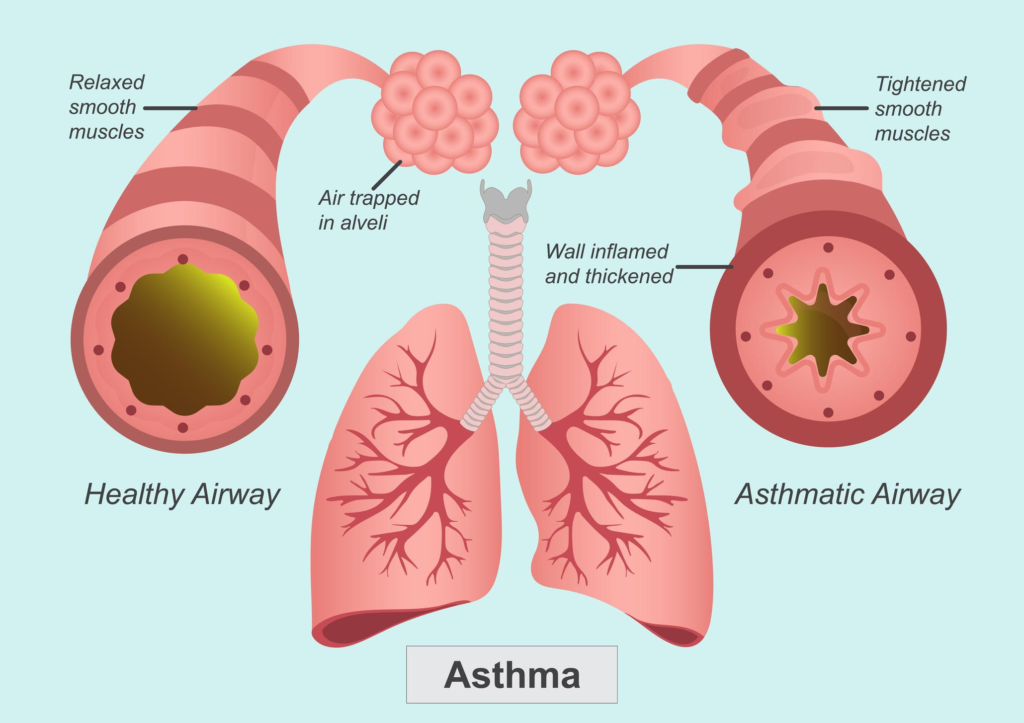
Asthma is a chronic inflammatory disease that causes airway narrowing, leading to wheezing, coughing, and shortness of breath.

Risk Factors
- Allergies
- Environmental triggers (dust, smoke, pollen)
- Family history
- Respiratory infections
Importance of Patient Education
- Identifies triggers
- Promotes use of asthma action plans
- Encourages symptom monitoring
Medication Adherence
- Prevents asthma attacks
- Controls airway inflammation
- Reduces emergency visits
Nutritional Management
- Anti-inflammatory foods (fruits and vegetables)
- Maintain healthy weight
- Avoid food allergens when applicable
🧠 Chronic Kidney Disease (CKD)
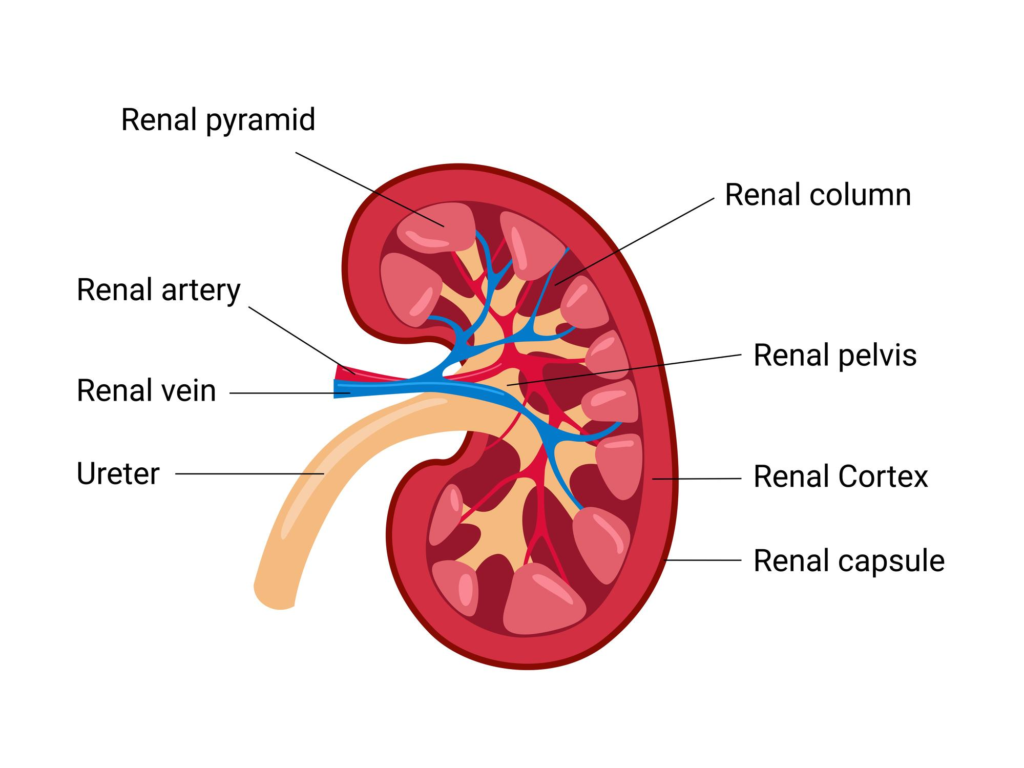
CKD is gradual loss of kidney function, leading to buildup of waste products and fluid imbalance.


Risk Factors
- Diabetes
- Hypertension
- Family history
- Cardiovascular disease
- Long-term medication use
Importance of Patient Education
- Helps delay disease progression
- Promotes symptom awareness
- Supports dialysis or transplant preparation
Medication Adherence
- Controls blood pressure and blood sugar
- Slows kidney damage
- Prevents complications
Nutritional Management
- Low sodium diet
- Controlled protein intake
- Monitor potassium and phosphorus levels
- Fluid management when needed