💊 What is Medication Management?
Medication management refers to the safe, effective, and organized use of prescribed and over-the-counter medications. It involves:
- Taking medications exactly as prescribed
- Understanding medication purpose and expected outcomes
- Monitoring side effects and drug interactions
- Communicating with healthcare providers
- Proper storage and timing of medications
Medication management is especially important for individuals managing chronic illnesses, mental health conditions, or multiple medications (polypharmacy).


Why Adherence Matters
1. Improves Treatment Effectiveness
When medications are taken properly, they can:
- Control symptoms
- Slow disease progression
- Improve quality of life
- Reduce hospitalizations
2. Prevents Disease Complications
Skipping or stopping medications can lead to:
- Worsening medical or mental health conditions
- Increased emergency visits
- Increased healthcare costs
3. Reduces Risk of Medication Resistance
Poor adherence can reduce medication effectiveness over time, particularly with:
- Antibiotics
- Antiviral medications
- Psychiatric medications
4. Supports Emotional and Psychological Stability
Consistent medication use helps maintain:
- Mood stability
- Cognitive functioning
- Stress and anxiety control
⚠️ Consequences of Poor Medication Adherence
- Symptom relapse or worsening illness
- Development of medication tolerance or resistance
- Increased risk of medical emergencies
- Higher risk of hospitalization
- Reduced treatment success
Common reasons for non-adherence include:
- Forgetfulness
- Fear of side effects
- Cost of medications
- Lack of understanding about medication purpose
- Complex medication schedules
🚫 Understanding Contraindications

Contraindications refer to situations where a medication should not be used because it may cause harm.
Types of Contraindications
1. Medical Condition Contraindications
Certain medications may worsen existing health conditions.
Examples:
- Some medications may worsen heart disease
- Certain drugs may not be safe for individuals with liver or kidney disease
- Some medications may worsen mental health symptoms
2. Drug-to-Drug Interactions
Some medications interact negatively when taken together, leading to:
- Increased side effects
- Reduced medication effectiveness
- Dangerous health reactions
3. Allergy Contraindications
Patients must avoid medications that previously caused allergic reactions, such as:
- Rash
- Swelling
- Breathing difficulty
- Anaphylaxis
4. Pregnancy and Breastfeeding Contraindications
Certain medications may:
- Harm fetal development
- Pass into breast milk and affect infants
🧠 Strategies to Improve Medication Adherence


Helpful Tips
✔ Use pill organizers
✔ Set phone or alarm reminders
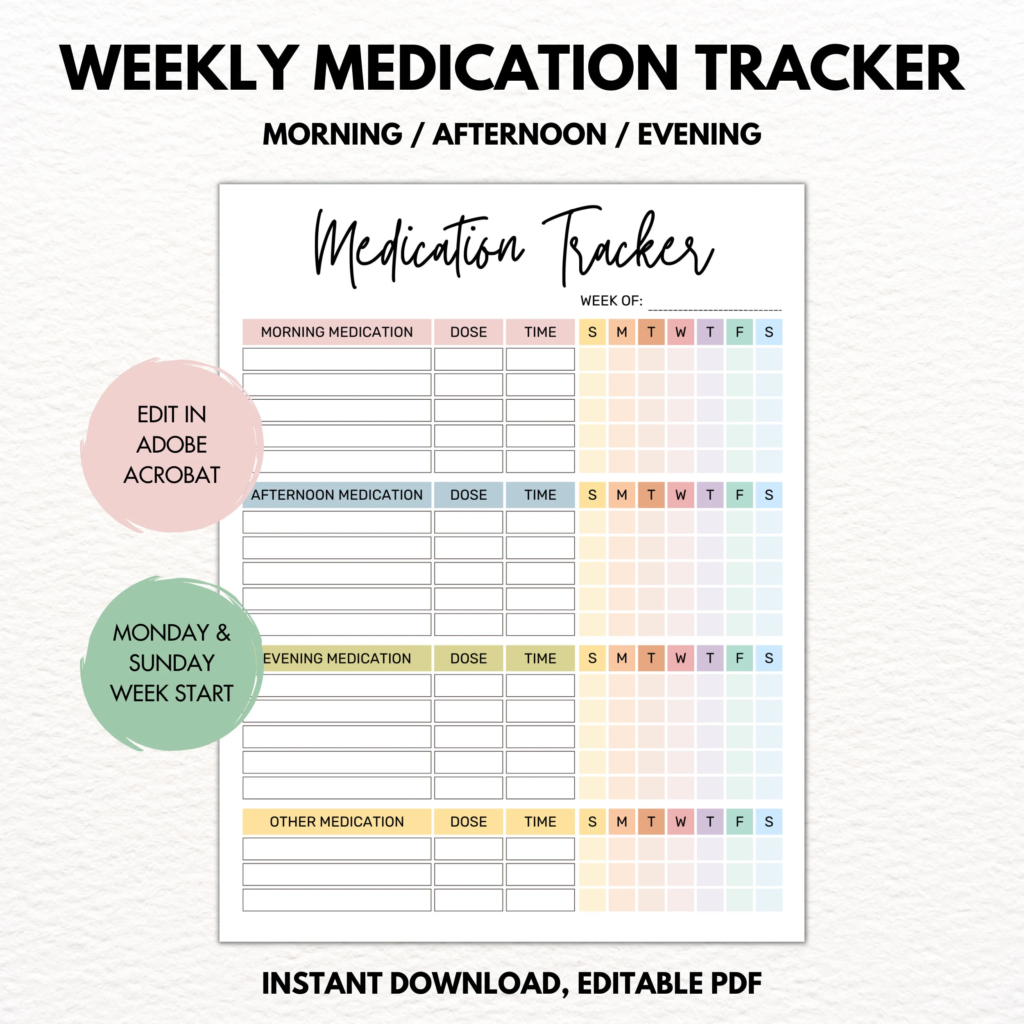
✔ Keep a medication log or chart
✔ Understand medication purpose and side effects
✔ Maintain regular follow-up appointments
✔ Ask providers questions about medications
✔ Use one pharmacy when possible, to monitor interactions
👩⚕️ Role of Healthcare Providers in Medication Safety
Healthcare professionals help ensure medication safety by:
- Reviewing medication lists regularly
- Educating patients on medication use
- Monitoring side effects and interactions
- Adjusting medications when necessary
- Providing adherence support tools
Patients should always inform providers about:
- All prescribed medications
- Over-the-counter medications
- Herbal supplements
- Vitamins and alternative treatments
📌 When to Contact a Healthcare Provider
Seek medical guidance if you experience:
- New or worsening symptoms
- Severe side effects
- Allergic reactions
- Difficulty remembering or taking medications
- Concerns about medication cost or access
❤️ Conclusion
Medication management is a vital component of successful healthcare treatment. Understanding how and when to take medications, recognizing contraindications, and maintaining open communication with healthcare providers helps ensure safe and effective treatment outcomes. Strong medication adherence improves overall health, enhances quality of life, and reduces preventable health complications.